


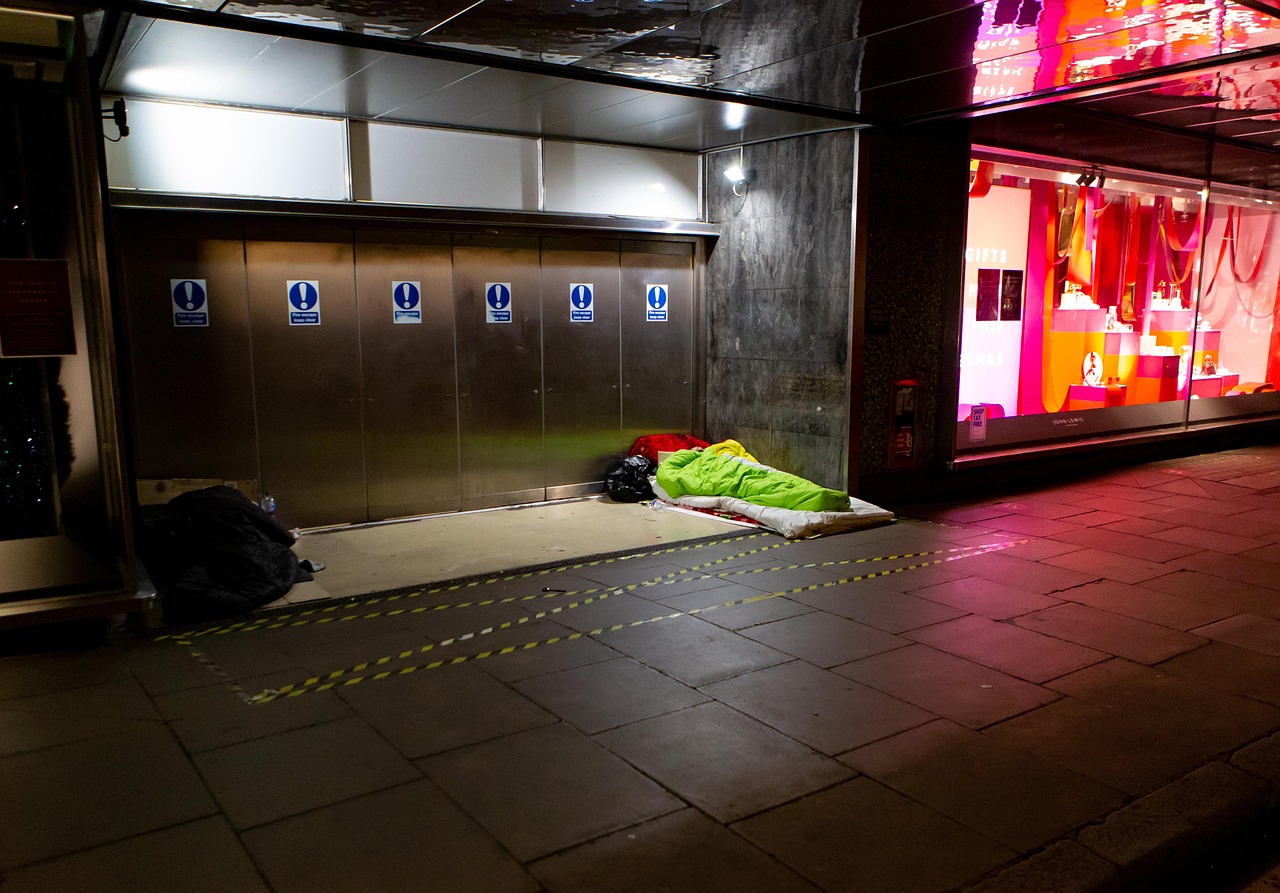
Rough sleeping has hit a record high, official figures show.
4,793 people were sleeping rough on a single night last autumn, the highest number ever recorded. This is an increase of 96 per cent since 2021, and 171 per cent since 2010.
Building on the research in 2025 funded by the Steve Morgan Foundation, analysis of the figures by cross-party think tank the Centre for Social Justice (CSJ) found monthly totals to be even higher than the nightly counts, with over 9,000 people seen sleeping rough in October and in November. The number of people sleeping rough long-term has also risen, with long-term rough sleepers now the largest group sleeping rough, a sign of Britain’s entrenched homelessness crisis.
In December, the government published its homelessness strategy, A National Plan to End Homelessness, which sets a new target to halve long-term rough sleeping. But the CSJ argues that this pledge is underpowered and urges ministers to change course and roll out the successful Housing First model across England, which is proven to break the cycle of rough sleeping for the vast majority of participants.
Download the Rough Sleeping Tracker on the Centre for Social Justice website here.
Read more about Housing First.
Josh Nicholson, Head of Housing and Communities at the Centre for Social Justice, said:
“Rough sleeping has been out of control for too long and more of the same won’t cut it. Ministers still have time to act, by prioritising proven interventions like Housing First, and to scale them up before it’s too late.”
Bob Blackman MP, Co-Chair of the APPG for Ending Homelessness and author of the 2017 Homelessness Reduction Act, said:
“The levels of rough sleeping revealed today are a national disgrace and undermine any ambition this government might have to end rough sleeping for good. The CSJ’s analysis shows a system trapped in crisis and a state unable to keep pace with the pressures it faces.”